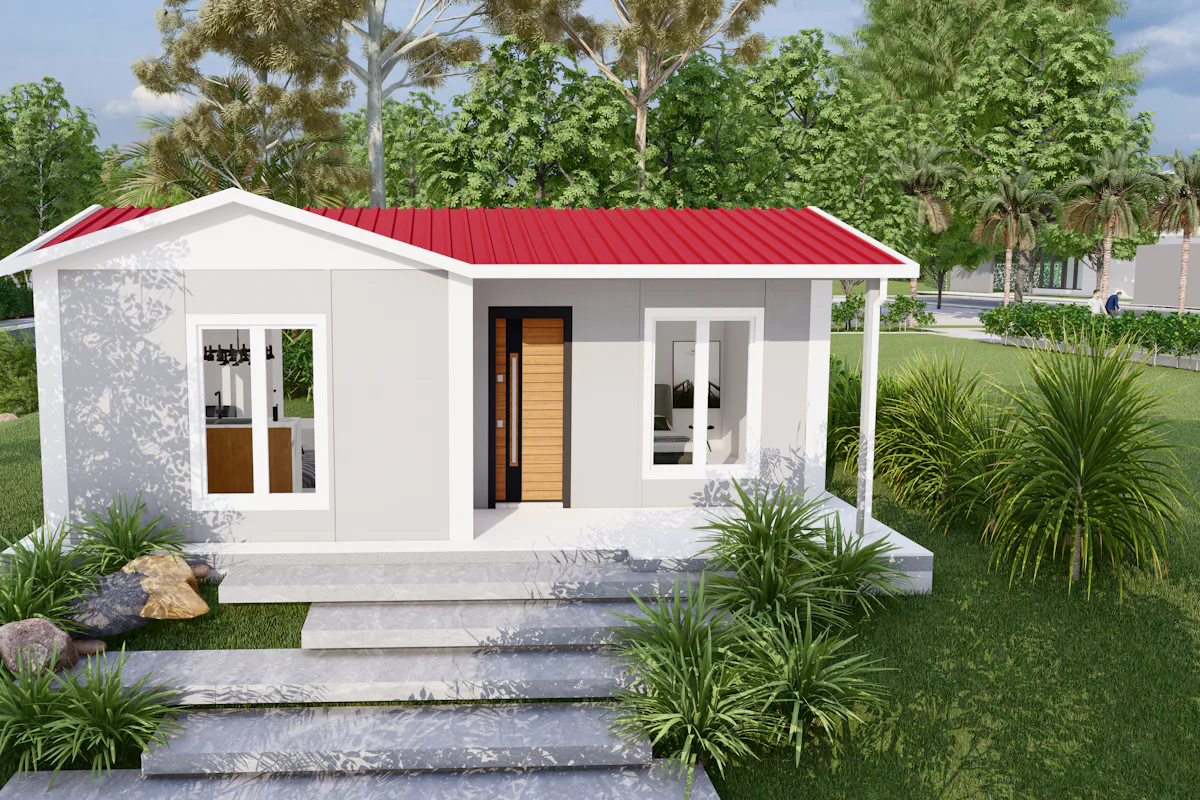
Often yes, but the zoning district matters more here than anywhere else. As of October 2026, backyard ADUs are not allowed in R1-2A, R2A and R3A districts outside the Greater Transit Zone, and these contextual districts cover many Staten Island neighborhoods. Garage conversions, basement, cellar and attic units follow different rules.
What if my lot is in an R3A or similar district?
A new backyard cottage is likely off the table unless the lot is inside the Greater Transit Zone. Other options can still work:
- Converting an existing detached garage, which zoning treats differently from a new backyard ADU.
- A basement or cellar ADU, if the lot is outside the flood risk maps.
- An attic ADU, if the roof gives enough headroom.
How does the shoreline affect ADUs?
Parts of the East Shore and South Shore are in mapped flood risk areas. On those lots, basement, cellar and new backyard ADUs are not allowed, and above-grade ADUs in existing buildings must meet elevation requirements. Even blocks well inland can fall in DEP's 10-year rainfall flood risk area, so we check every address.
What makes a Staten Island backyard ADU work?
- A driveway or side yard at least 5 feet wide to the street.
- A rear yard deep enough for the 10-foot separation and the one-third coverage cap.
- Sewer and water service that can be extended to the back of the lot.
Do I need to add parking?
No. The City of Yes rules do not require a parking space for an ADU, and the access path to the street can also serve as parking.