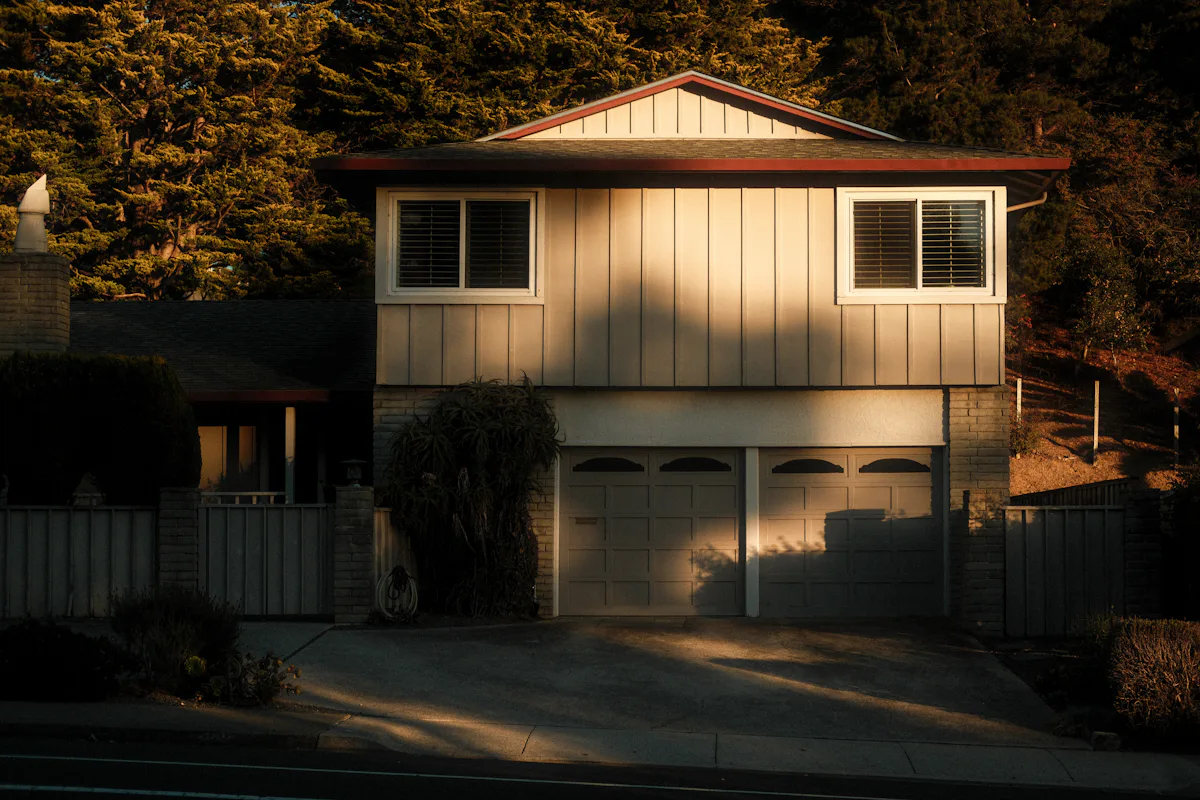
Many Queens homeowners can add an ADU, but not all. As of October 2026, the house must be a one- or two-family home that is not attached or a rowhouse, the owner must live on the lot at initial occupancy, and the lot must pass the flood, zoning district and dimensional checks for the ADU type you want.
Which Queens properties are the strongest candidates?
- Detached houses with a side driveway, which can provide the 5-foot access path a backyard ADU needs.
- Lots with a rear garage, which can be converted under the rules for existing structures.
- Houses with tall, dry basements on blocks outside DEP's flood risk maps.
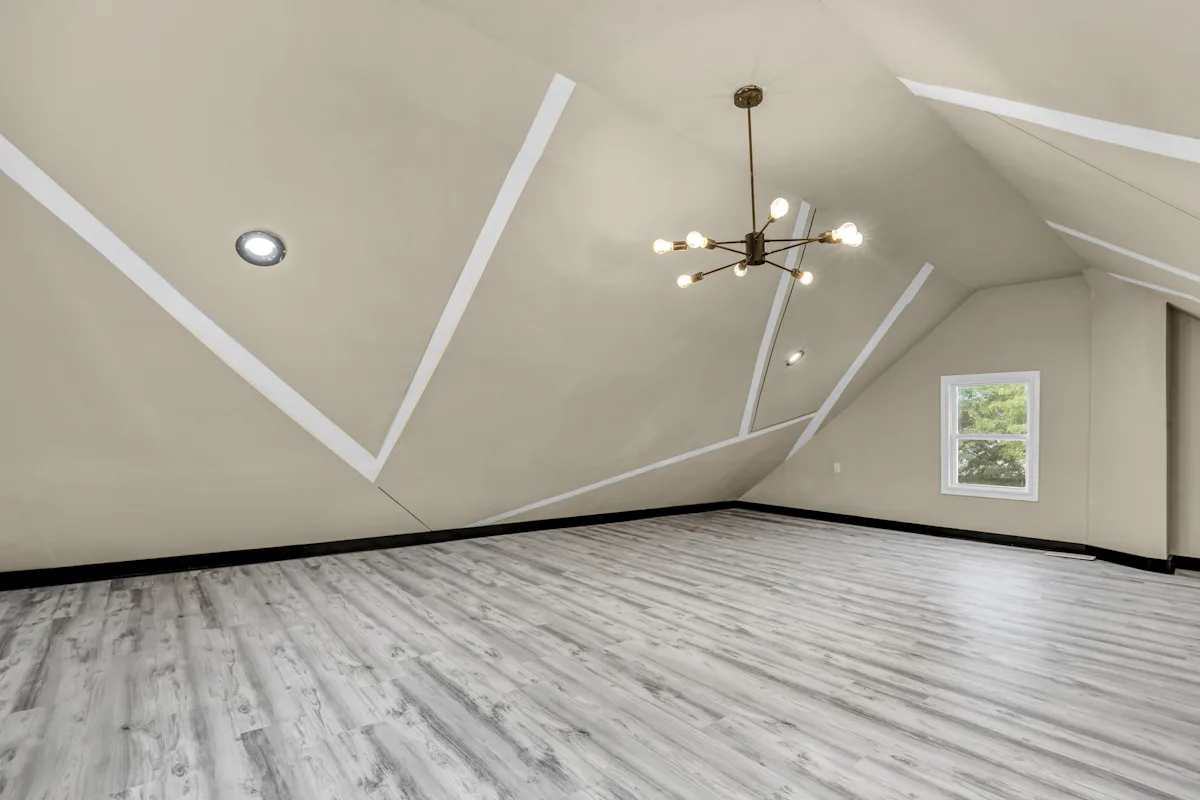
- Houses with full attics, where the roof gives enough headroom.
Where does flooding rule ADUs out?
Low-lying areas along Jamaica Bay, the Rockaway peninsula and parts of the north shore include mapped coastal flood risk. Inland, DEP's 10-year rainfall flood risk map also covers blocks that flood in heavy storms. On any lot in those areas, basement, cellar and new backyard ADUs are not allowed, as of October 2026. See the flood zone guide.
What about my two-family house?
A two-family house can have an ADU. Adding a third unit can bring Multiple Dwelling Law requirements, and for a basement or cellar ADU DOB says it triggers R-2 classification. We look at your certificate of occupancy before we design.
Is there financing for Queens owners?
HPD's Plus One ADU program offers up to $395,000 in combined city and state financing per property for eligible owner-occupants of existing one- and two-unit, semi-attached or detached homes, according to HPD's FAQ. Income limits and other conditions apply.